


From koalas curled in gum trees to whales breaching off coastal cliffs, the Great Ocean Road region delivers some of Australia’s most rewarding wildlife experiences. And many of them are just minutes from the road.
Whether you’re planning your first visit or returning for another adventure, learn about eight of the best wildlife encounters, complete with insider tips and ethical practices. Please ensure each experience is both unforgettable and respectful to the animals and their habitats.
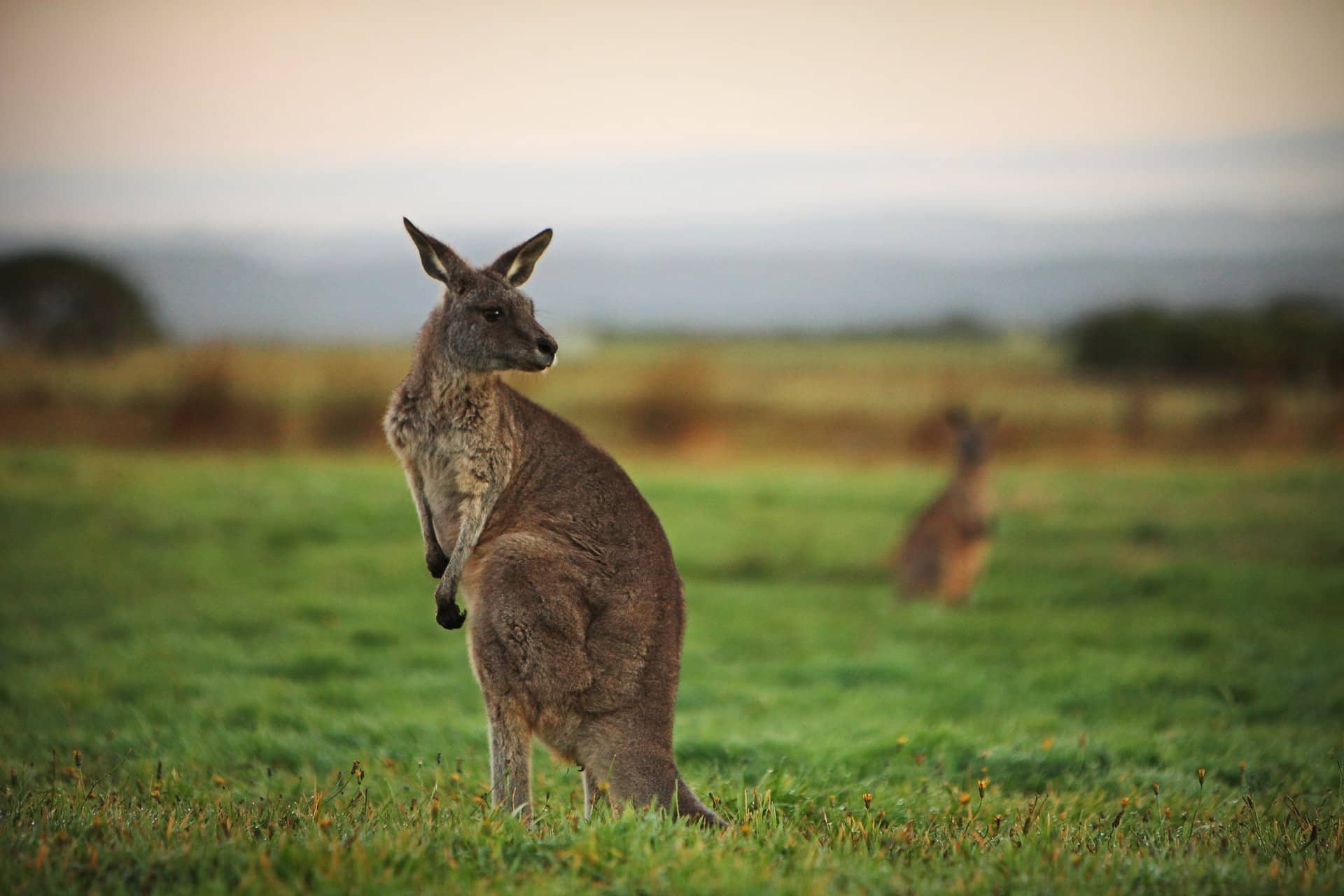
1. Kangaroos at Anglesea Golf Course
If you want a guaranteed sighting, this is it. The Anglesea Golf Course (and the Anglesea Golf Club) is home to a large population of Eastern Grey Kangaroos, who lounge and graze peacefully between fairways. The setting is surreal: golfers quietly playing through as kangaroos hop past in family mobs.
Kangaroo Tours, run by local guides, are the best way to view them up close while learning about their behaviour and environment. Tours operate most days and are suitable for all ages.
Sign up for Kangaroo Tours at the Anglesea Golf Club.
Why it’s special: Accessible, ethical, and close to town. A great intro to native wildlife.
2. Koalas Near Cape Otway and Lorne
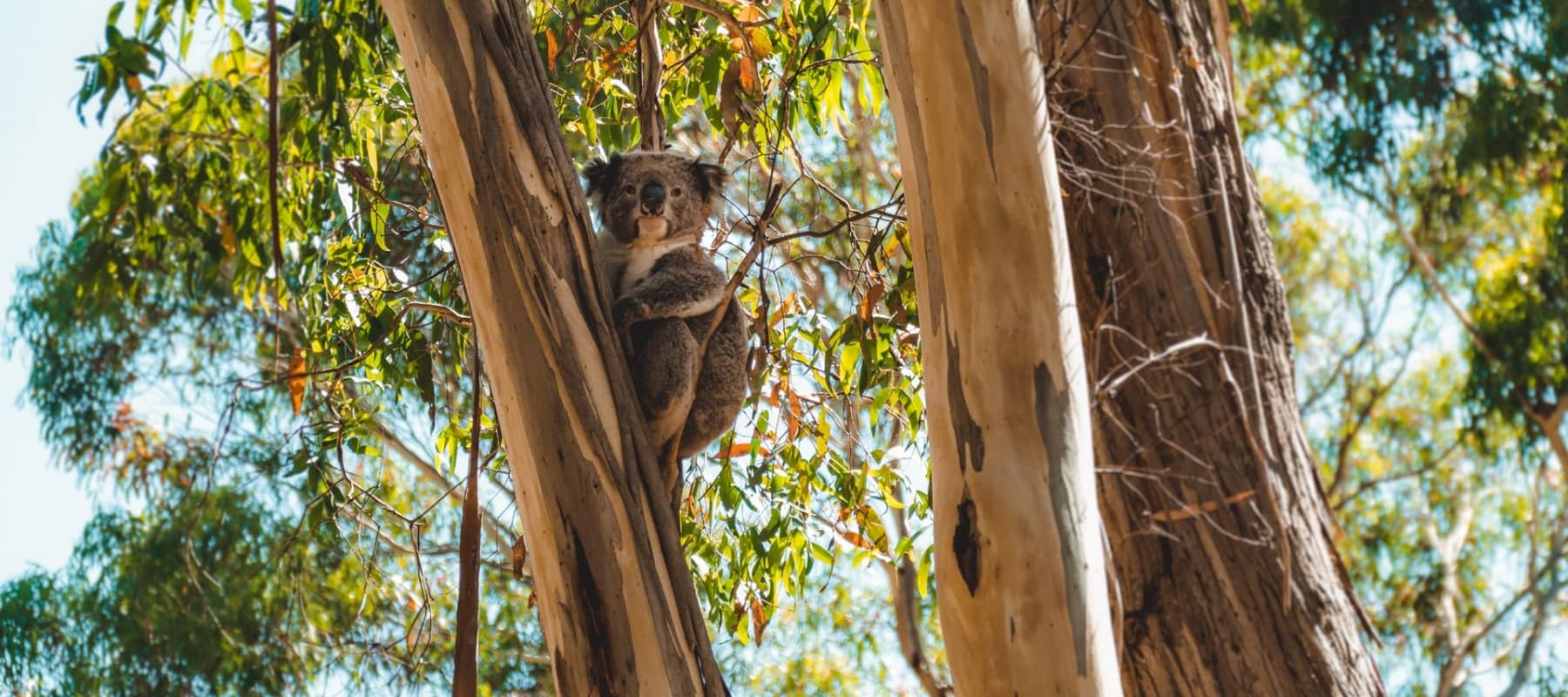
Koalas are famously sleepy, but they’re also fiercely territorial. You’re most likely to spot them in the Cape Otway region, in the town of Lorne, or in the Tower Hill Wildlife Reserve.
Look for a round, grey shape nestled in a eucalyptus fork. Always view from a safe location such as a walking trail or designated viewing area. For your safety and the animal’s welfare, do not stop on roadsides to watch koalas.
Learn more about Lorne Wildlife.
Insider tip: Early mornings or late afternoons improve your chances.
3. Platypus at Lake Elizabeth
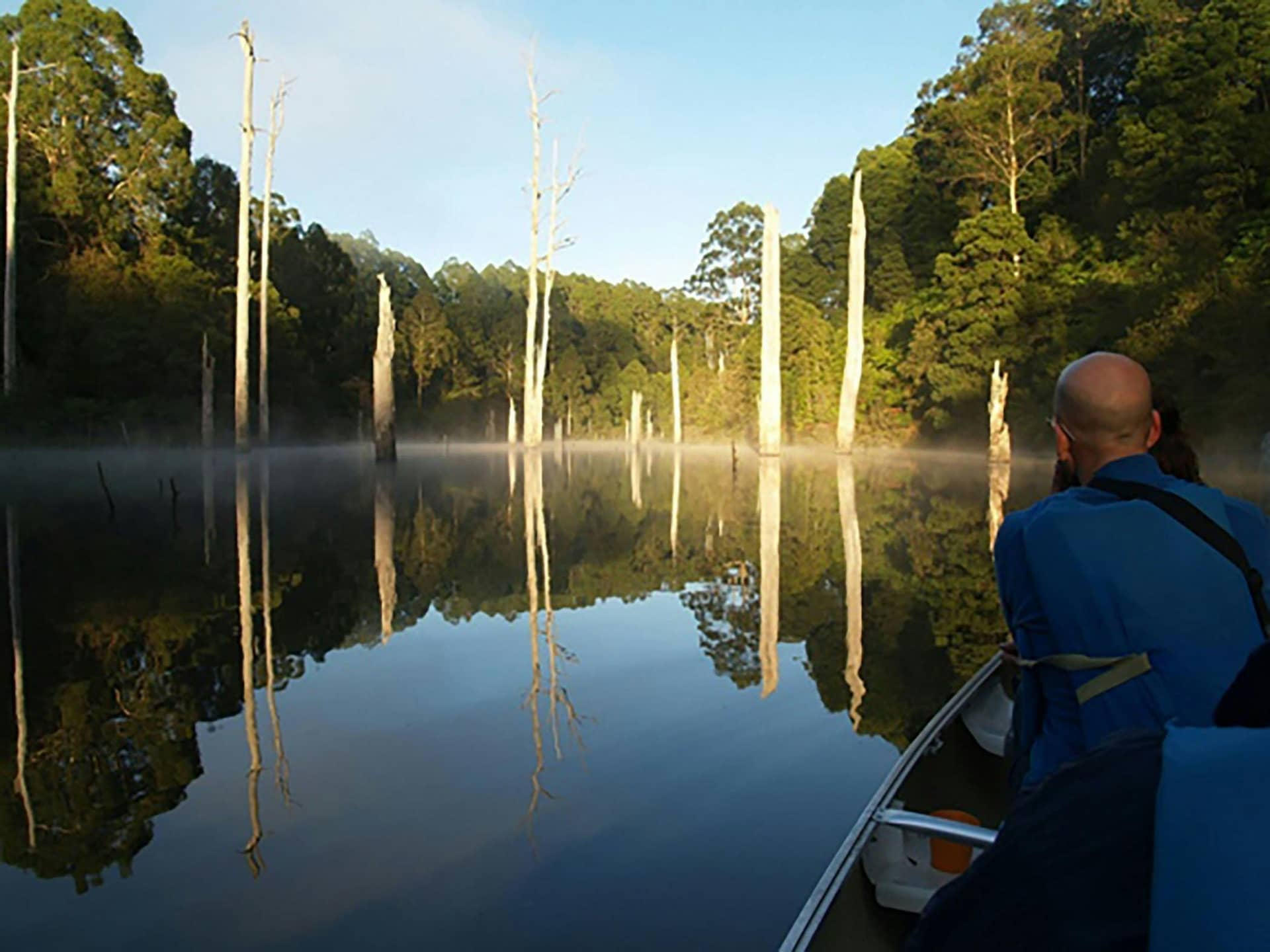
Tucked into the ranges near Forrest, Lake Elizabeth is one of the best places in Victoria to spot a wild platypus. These egg-laying mammals are elusive, but with patience, and the help of a local guide, you might be rewarded.
Otway Eco Tours runs canoe tours at dawn and dusk, when platypuses surface to feed. The silence of the lake, the rising mist, and the possibility of sighting one of nature’s oddest creatures makes for a quietly thrilling experience.
Follow the Lake Elizabeth Walk for a chance to spot platypus.
Note: Tours fill fast. Book early and dress warmly.
4. Glow Worms at Melba Gully and Maits Rest
As night falls in the Otways rainforest, tiny lights begin to twinkle from the banks of walking tracks. These aren’t fairy lights, they’re glow worms, the larval stage of a native fly that glows to attract prey.
The best places to see them are the Melba Gully (near Lavers Hill) and Maits Rest (near Apollo Bay). You’ll need a torch to reach the site, but once there, turn it off and stand still. Loud noises, camera flashes, or direct light will cause them to switch off.
Follow the Melba Gully Nature Walk to see the remarkable glow worms at night.
Glow Worm Viewing Tips:
- Use a red-filtered torch
- Stay on the track
- No flash photography
- Speak softly
Why it’s unforgettable: The rainforest glows. It’s that simple.

5. Whale Watching at Logan’s Beach
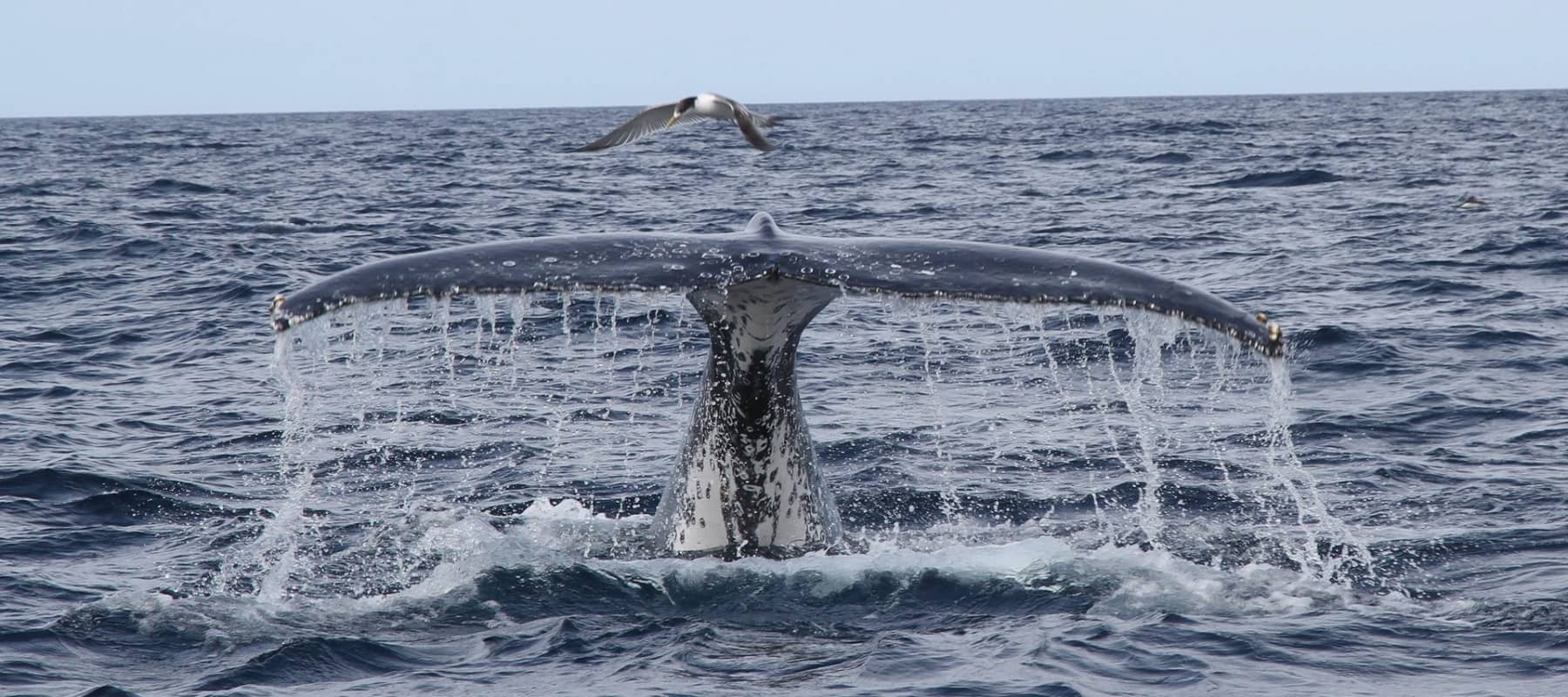
Each winter, Southern Right Whales return to Logan’s Beach in Warrnambool to calve and raise their young. A timber viewing platform makes it easy to watch them without disturbing the nursery zone. Sightings typically begin in late May and continue through October.
During the warmer months, Blue Whales may be visible offshore, though land sightings are rare. To stay updated, follow the Great Ocean Road Whales Facebook page, where people share current sightings along the coast.
Learn about Warrnambool Whale Watching in Winter.
Good to know: Bring binoculars and dress for wind.
6. Echidnas in the Otways
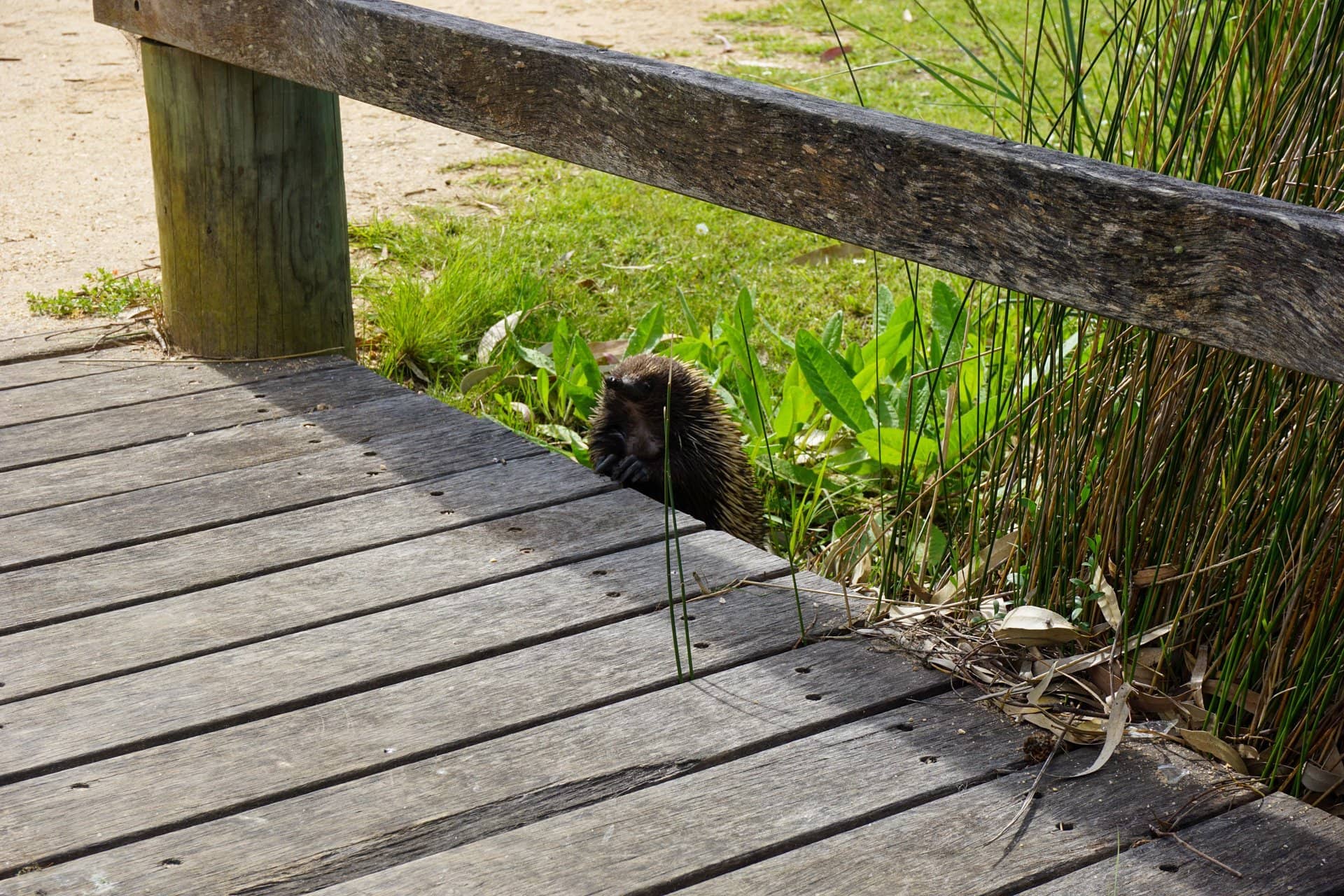
With their distinctive spines and deliberate gait, echidnas are a joy to spot, if you’re lucky enough to catch them in action. They’re most often seen in the Otways, around Maits Rest, Cape Otway, and other quiet forested areas.
These solitary creatures forage for ants and termites and often emerge at the edges of walking trails or even roadside verges. Stay still if you see one, they’re cautious but will often continue about their business if undisturbed.
Pro tip: Look for disturbed soil or ant nests, signs one might be nearby.
When to go: Year-round, especially early morning or late afternoon.
7. Emus on the Volcanic Plains
Towering and curious, emus are most often spotted in the inland plains and open farmland of the Volcanic Lakes and Plains region, including Tower Hill Wildlife Reserve and Lake Purrumbete.
They usually travel in pairs or small family groups and are known to roam across fields at dawn and dusk. Keep your distance, while generally peaceful, they can deliver a strong kick if startled.
Good to know: Best viewed from a car or at a respectful distance while walking through open country.

8. Birdlife Along the Coast and Hinterland
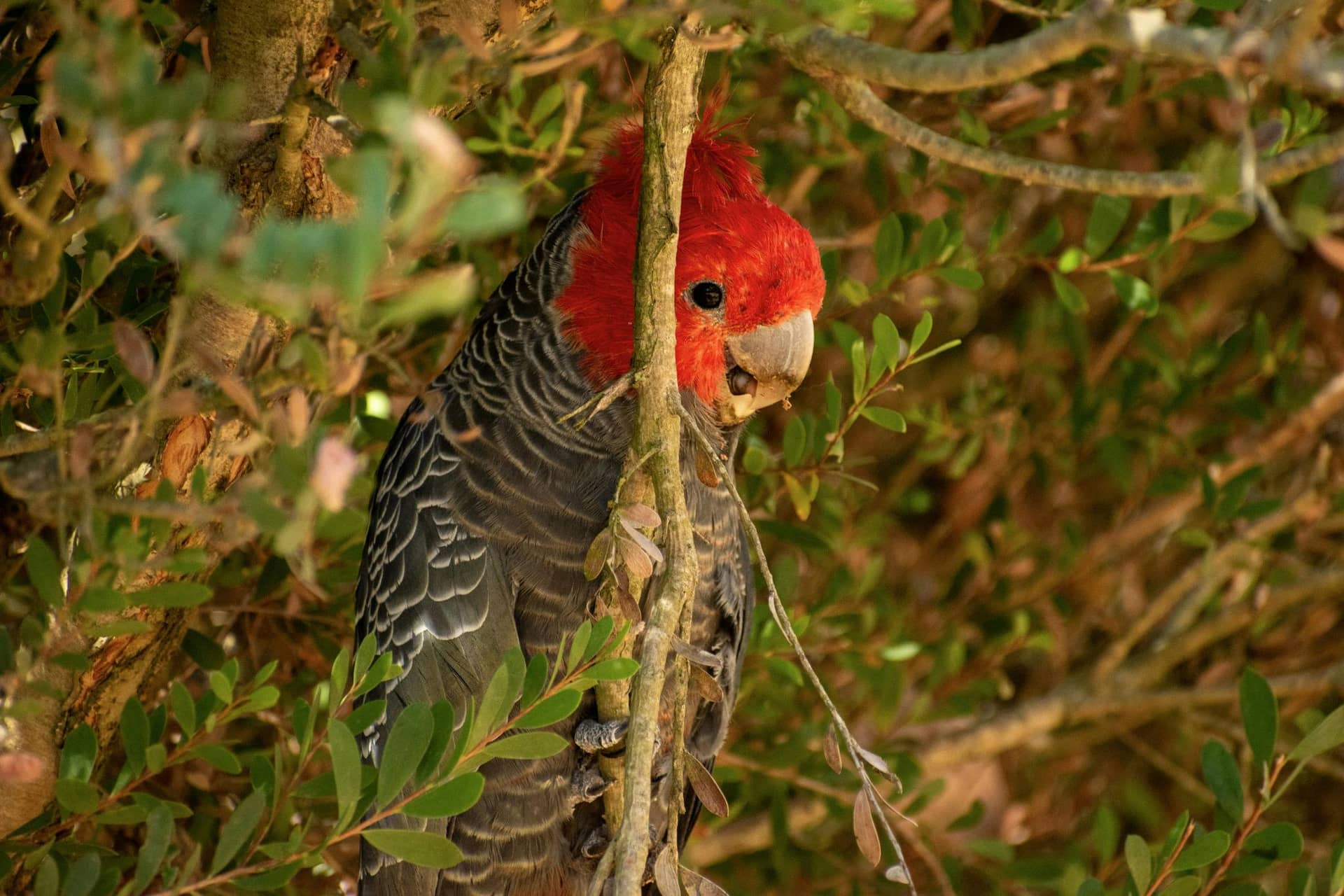
The region is a paradise for birdwatchers. Whether you’re an experienced twitcher or just enjoy colourful plumage, you’ll find hundreds of species across forest, estuary, and farmland habitats.
Visit Tower Hill Wildlife Reserve, Lake Colac, and Aireys Inlet for excellent vantage points. Expect everything from black swans and spoonbills to sulphur-crested cockatoos and fairy wrens.
For more information, read about 9 bird-watching attractions along the Great Ocean Road
Pro tip: Early mornings are best. Bring binoculars and wear neutral colours.
Ethical Wildlife Watching: A Quick Reminder
All wildlife encounters listed here happen in the wild or in protected spaces. That means you are a guest, and it’s your job to respect the animals’ space.
- Don’t feed or touch animals
- Stay on marked tracks
- Keep your distance
- Let them find their own food
Small actions preserve natural behaviours. And that’s what makes these moments truly wild.
Seasonal Wildlife Guide
| Wildlife | Best Time | Location |
| Kangaroos | Year-round (dawn/dusk) | Anglesea |
| Koalas | Year-round | Cape Otway, Lorne |
| Platypus | Dawn/dusk | Lake Elizabeth |
| Glow Worms | After dark | Melba Gully, Maits Rest |
| Southern Right Whales | May to October | Logan’s Beach |
| Blue Whales | November to May | Offshore only |
| Echidnas | Year-round | Otways, Cape Otway |
| Emus | Year-round | Volcanic Lakes & Plains |
| Birdlife | Year-round | Tower Hill Wildlife Reserve, Lake Colac |
Let Nature Take the Lead
You don’t need a wildlife park to experience the best of Australia’s animals. Here, along the Great Ocean Road, the wilderness comes to you. All you have to do is look up, walk softly, and stay a little longer.
Start planning your journey but remember to help keep our wildlife wild, one respectful encounter at a time.