


When most people picture the Great Ocean Road, they think of the winding drive, the waves at Bells Beach, or the cliffs next to the Twelve Apostles. But behind the postcard views lies a much older story, one that spans many generations and continues today.
Stretching from Torquay to the South Australian border, the Great Ocean Road travels across the traditional lands of the Wadawurrung and Eastern Maar Peoples. For over 65,000 years, their ancestors have cared for this Country, drawing knowledge from its rhythms, stories from its formations, and law from its spirit.
Today, visitors have the opportunity to learn directly from these deep connections. Indigenous cultural tours on the Great Ocean Road offer travellers a chance to engage with the land in a way that’s respectful, enriching, and often transformative. Whether it’s walking a cultural trail, hearing a Dreamtime story, or observing how bush plants reveal the seasons, these experiences invite you to slow down and listen.
Discover the stories beneath the scenery
Many forest paths, rock platforms, and ocean bays along this coastline hold layers of meaning far older than the road that now runs through it.
This land is Country: a living, breathing entity in Indigenous cultures. It holds not just food and shelter, but identity, language, law, and belonging.
The Great Ocean Road passes through the lands of the Wadawurrung (in the east) and Eastern Maar (further west). Their custodianship continues today, grounded in knowledge systems.
When you walk through the bush near Anglesea or explore the wetlands behind the coast, you’re not just seeing natural beauty. You’re walking across ceremonial sites, storylines, and knowledge centres. That eucalyptus tree might once have provided medicine. The headland might mark a Dreaming track. This is lived connection.
Experiences That Help You Connect With Country
Once you know what to look for, you begin to see the land differently. And while many stories are held close within communities, some are shared through experiences designed to welcome respectful visitors. Here are some of the most accessible ways to begin:
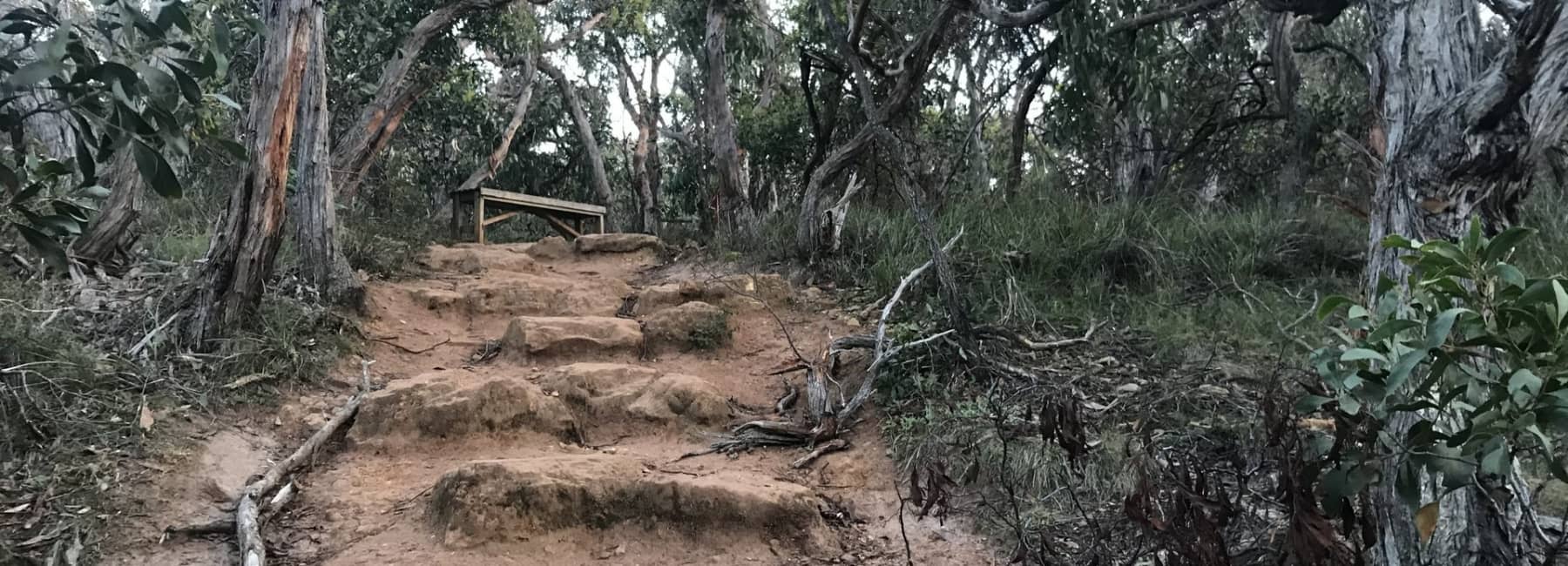
Point Addis Koorie Cultural Walk
This self-guided loop trail near Anglesea offers an easy entry point into Wadawurrung cultural knowledge. As you walk the track, interpretive signage introduces you to Dreaming stories, seasonal plant knowledge, traditional tools, and the deep relationship between people and land. The walk connects with the broader Surf Coast Walk for those seeking more time in Country.
Explore the Point Addis Koorie Walk
First Nations storytelling and cultural events
During key times of year, such as Reconciliation Week, NAIDOC Week, or regional festivals, you may find dance performances, art installations, storytelling, or Welcome to Country ceremonies taking place across Surf Coast towns and beyond. These are moments to engage with living culture, often hosted by Traditional Owners or in partnership with cultural organisations.
Community-led walks and talks
*please note that these walks have varied availability throughout the year.

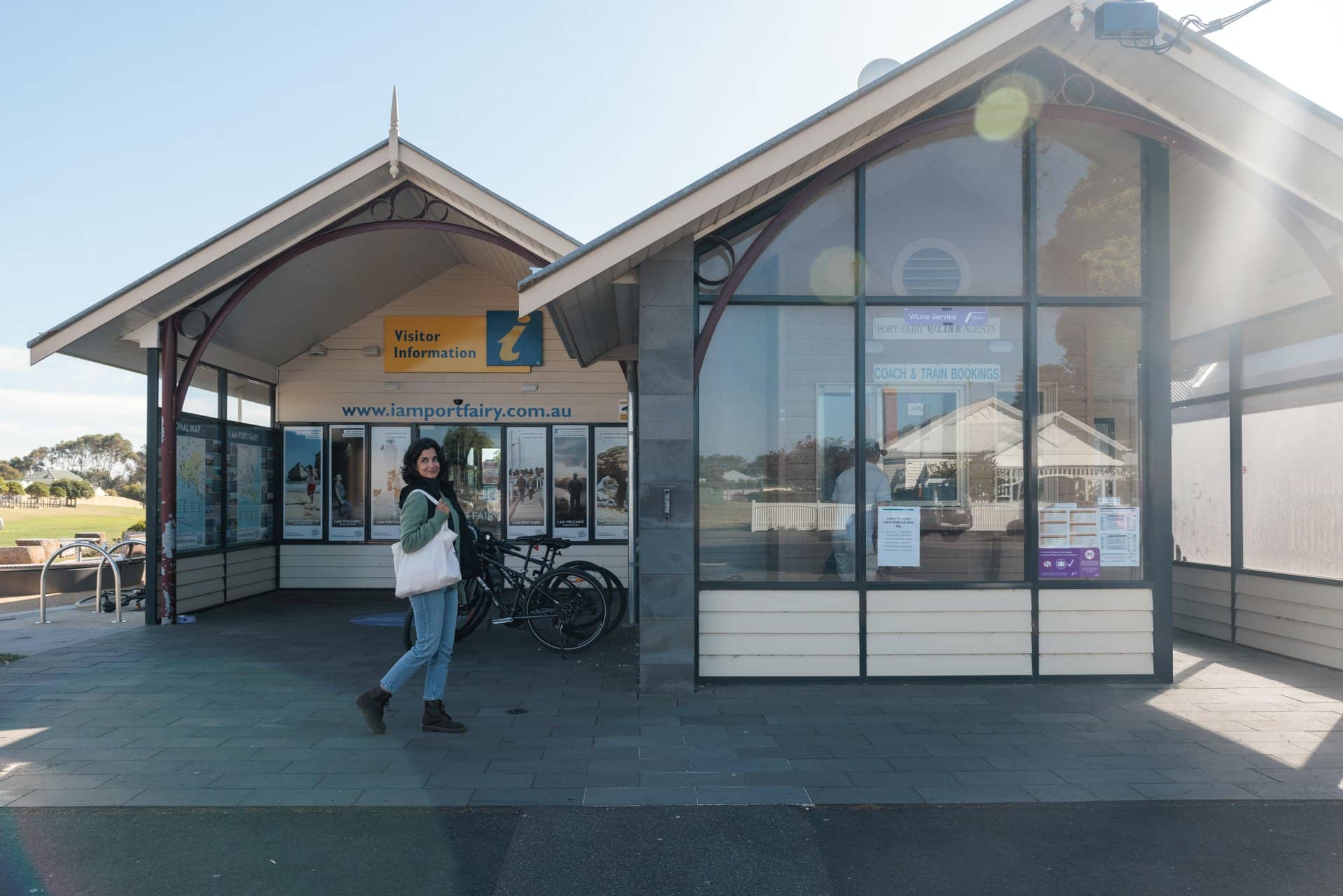
Some Visitor Centres and community groups collaborate with Traditional Owners to offer guided walks, talks, or seasonal experiences. These may include bush tucker tours, language introductions, or explanations of how environmental changes signal the right time for harvesting or ceremony. Check in locally, as many of these programs are offered seasonally or during special events.
Find a Visitor Centre near you
Why these experiences matter
For travellers, these experiences offer more than learning, they offer perspective. When you walk with a Traditional Owner or hear a Dreamtime story connected to the land under your feet, something shifts. You begin to understand that travel isn’t only about sights. It’s about understanding place.
For local First Nations communities, cultural tourism offers opportunities for truth-telling, economic self-determination, and cultural renewal. Every respectful experience booked, every story listened to, helps preserve knowledge, sustain community enterprises, and pass wisdom to future generations.
Cultural experiences are part of a broader movement of recognising and respecting Country, and ensuring that the voices of Traditional Owners are heard and supported.
What to expect and how to be respectful
If this is your first time engaging in a First Nations experience, it’s normal to feel uncertain. What matters is how you show up. Here are some simple guidelines for walking respectfully:
- Listen first. Many experiences are about observation and reflection. Avoid interrupting or pressing for information that isn’t offered.
- Ask before taking photos. Some sites or ceremonies may be sacred, and photography may not be appropriate.
- Be present. These are not performances; they’re cultural expressions and teachings. Give them your full attention.
- Bring your children. Many stories and walks are suitable for families and can be powerful learning moments for younger travellers.
- Be open to learning. You may not understand everything. That’s okay. Cultural connection starts with curiosity and respect.
Visitor Centres can help guide you toward experiences that are endorsed, community-led, and appropriate for you.
Start planning your journey
The Great Ocean Road will always offer spectacular views. But when you step into an Indigenous cultural experience, you begin to see those views through a new lens, one shaped by 65,000 years of relationship with Country.
Every conversation, every story listened to, every walk taken with intention strengthens the connection between people, place, and future generations.
Start with a walk. Stay for the story. Leave with a deeper understanding.
Begin your journey on the Point Addis Koorie Cultural Walk or find a cultural event during your visit.